
Pride and Joy
For Louann, on her birthday.
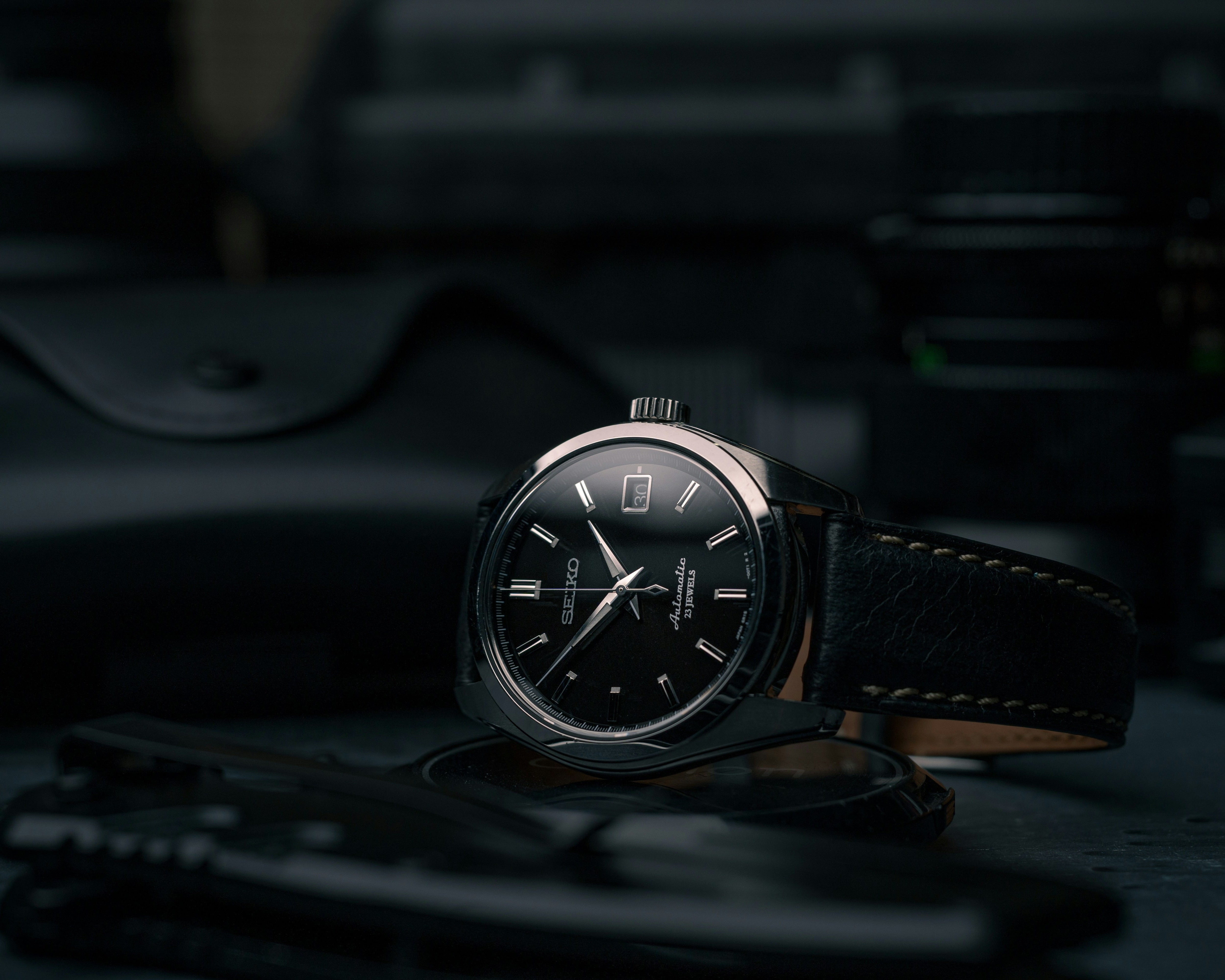
A few days after my grandfather died, I stood in my grandmother’s bedroom and looked at his watch. It sat on a little porcelain holder on her dresser, the way he must have left it. It was a Seiko. I was seventeen, and I remember being disappointed that it wasn’t a Rolex.
I’ve been making up for that thought ever since.
Today is my grandmother’s birthday. She would have been 95. Her name was Louann, and if you spent five minutes within earshot of her, you left knowing two things: that you didn’t want to cross her, and that I was her pride and joy. She said it that way, both words, like a title. I was her first grandchild, the son of her only son. My parents were kids themselves — married at eighteen, parents at twenty — and while they were busy growing up alongside me, my Nana was building me a place to land.
Every Thursday night I ate dinner at her table and watched television on her couch until my parents came to get me. Most weekends I was back the next day. She spoiled me in ways I’ll never be able to adequately explain, and I’ve had thirty-some years to try.
She worked in mercury switches at the Western Electric plant in Lee’s Summit, Missouri. Later it became AT&T, and she retired from there while I was in high school. She worked hard, she was respected, and she had her own money — and if you don’t understand what that third thing meant for a woman of her generation, coming off a divorce, then you didn’t know women like her. Her second husband, John O’Bryant, worked at the same plant. He was an executive and the union president, which sounds like a contradiction until you met the man. He was my grandfather in every way that mattered, and he died suddenly, a few days before my senior year of high school. His was the watch on the porcelain holder.
Louann was the only girl in a house full of brothers — wiry, grizzled men who looked like they’d been cut out of a cigarette ad. My great uncle Bud had the Marlboro Man’s mustache and his weathered skin, and any one of those men would just as soon whip your ass as pat you on the back. She came up in that house and came out of it tough as nails.
Once, at younger brother’s Pop Warner football games, she watched a father slap his son around — helmet on, open hand, because the boy wasn’t being tough enough. She stood up out of her lawn chair, pointed at that man, and asked him if he’d like to get the shit slapped out of him the way he was doing to that boy. He told her to mind her own business. She told him to raise his hand again and find out. He didn’t touch that kid again. Not that day.
That was the woman whose basement I moved into after high school. I’d stuck around town for community college, telling myself it was to play some baseball and maybe take some classes. She built me an apartment down there, and I didn’t leave it until I had a bachelor’s degree in English, four years later. That first year I felt sorry for myself and did nothing worth mentioning. Then I found writing, and writing turned me around. I came out of her basement intending to build a life as a writer.
I didn’t. I chose other roads — I built companies, ran companies, sold companies. I learned I was good at business the way my father was good at work, which is to say relentlessly. But the writer never left. He just sat in the basement, waiting.
She died twenty-one years ago. Before my first daughter was born. Before my first business, and my second. She missed all of it — every success I would have wanted to lay at her feet, every grandchild’s grandchild she would have claimed as her own pride and joy. That’s the cruelty of the math. The people who build the foundation rarely get to see the house.
And the watch — I never found out what happened to it. Nobody kept track. It was just somebody’s old watch, a working man’s Seiko, the kind of thing that gets swept into a drawer or a donation box when a family is busy grieving. It wasn’t worth anything.
Except it was worth everything, and I was too young and too dumb to see it. I wanted a Rolex on that dresser. What was sitting there instead was the watch a union president and factory executive strapped on every morning of his working life — a man who could have bought whatever he wanted and chose the honest tool. It has taken me most of my adult life and a watch box full of King Seikos and Lord Matics to understand that I’ve been chasing that watch the whole time. Every JDM Seiko I’ve ever hunted down is an apology to a porcelain holder in a bedroom in Missouri.
That’s why Vaulted Watch exists, and that’s why it launches today, on her birthday.
This is not a spec-sheet business. I don’t believe a watch is a movement caliber and a lug width and a case diameter. I believe a watch is the story it carried in on somebody’s wrist — the shift it clocked, the war it came home from, the graduation it marked, the man it outlived. Every watch that comes through Vaulted gets researched, verified, and written about, because that’s what these objects deserve and because it’s the only way I know how to do this. The people who made me — the mercury-switch worker, the union president, the printing-press repairman who became a cop at 51 — didn’t leave behind portfolios. They left behind their tools and their stories, and most families lose track of both.
I can’t get John’s Seiko back. But I can make sure the watches that pass through my hands never become just somebody’s old watch in a drawer. Every one of them leaves here with its story attached, on paper, where it can’t be lost.
My Nana wasn’t one for ceremony, and I won’t pretend she’d have known a Datejust from an alarm clock. But she wouldn’t have needed to. If I told her this was what I was doing, that would have been the end of the discussion — she’d have been in line behind me, straightening my shoulders, telling anyone within earshot that her grandson knew exactly what he was doing. She believed in working for your own money, telling the truth, and standing up out of the lawn chair when it mattered. That’s the whole business plan. Happy birthday, Nana. This one’s yours.
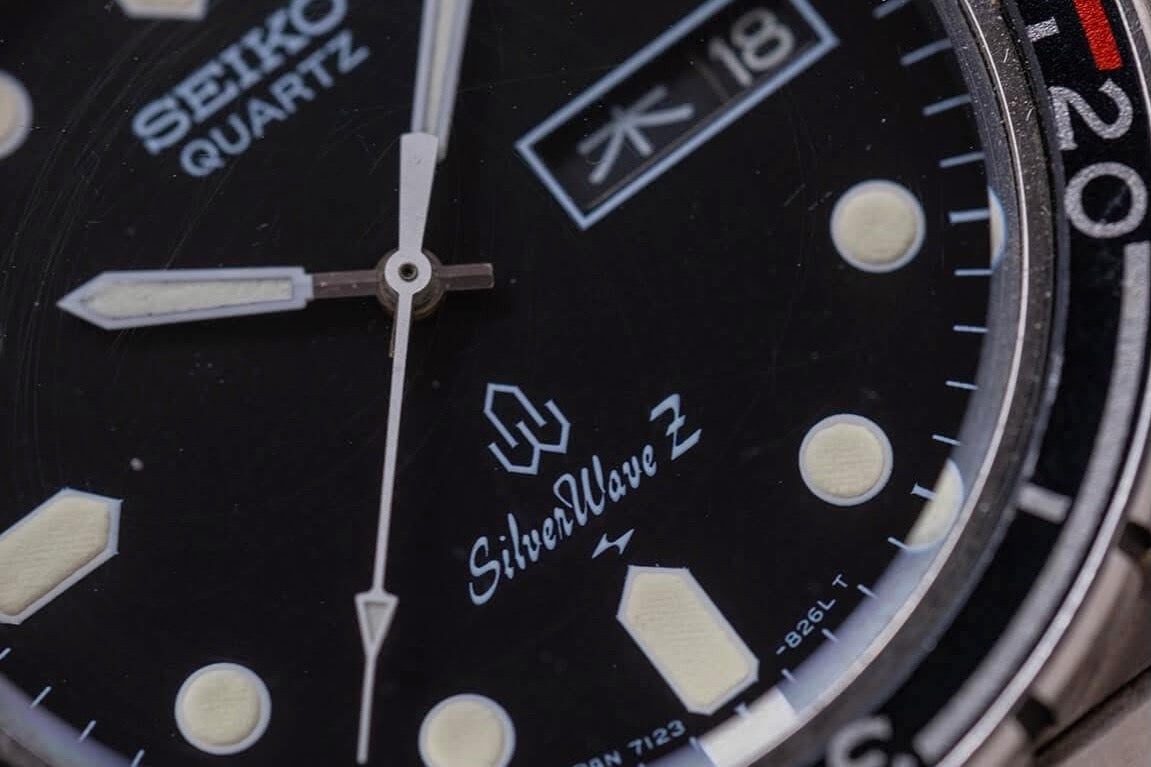
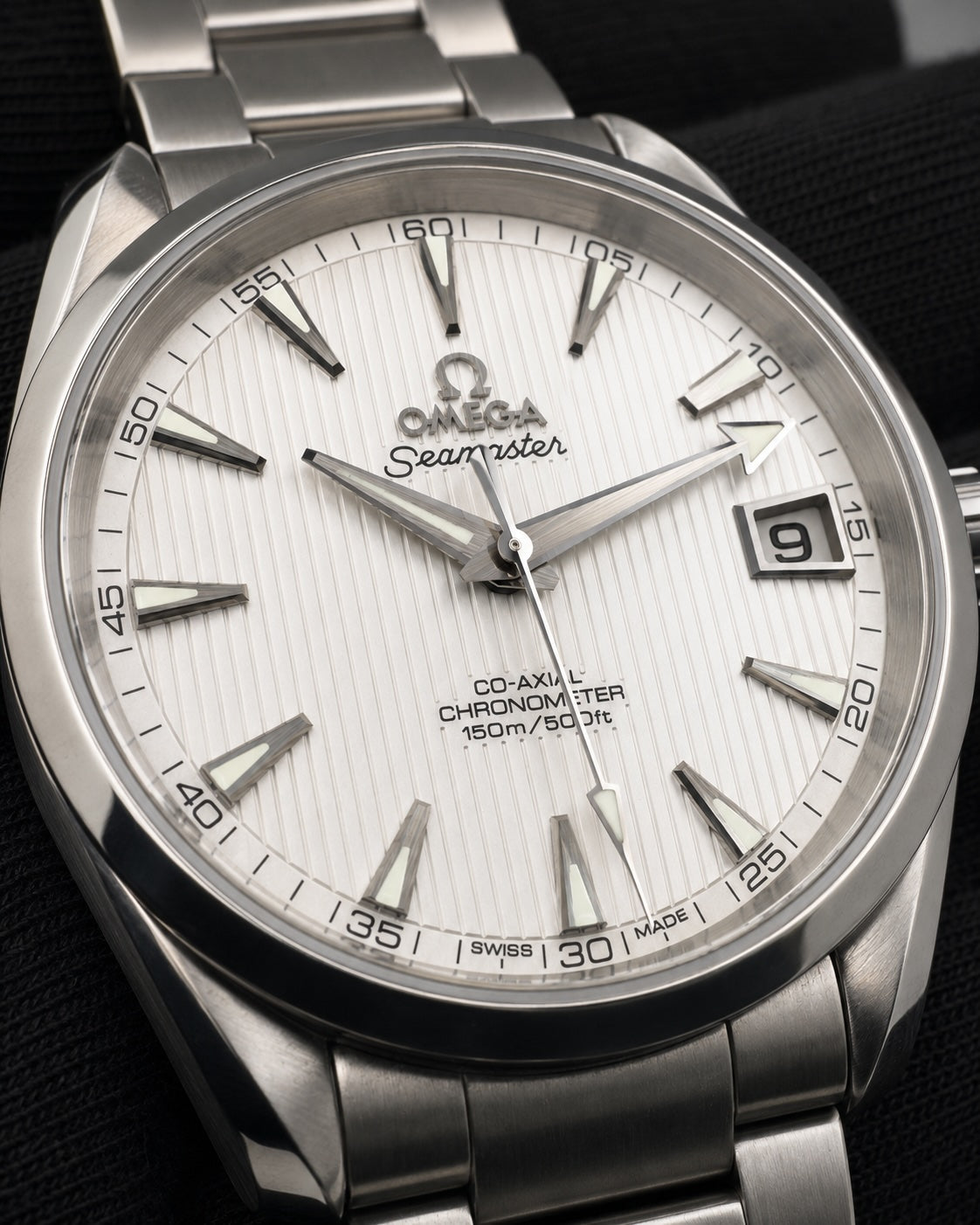
VaultedWatch.com is live today. Among the first watches in the vault is a Seiko Lord Matic — a working man’s watch from a working man’s company, the kind of thing that sat on a porcelain holder on somebody’s dresser once. There’s a Jaeger-LeCoultre in 18K gold, too, and a few others. Their stories are waiting for you.

2 comments
That was so moving. I’ll be following this journey of yours for sure!
amy jordan
This is everything. Thank you for sharing this beautiful and deep story.
Lori Mallory
Leave a comment
This site is protected by hCaptcha and the hCaptcha Privacy Policy and Terms of Service apply.